
When it comes to cooking, the tools you use can make all the difference. Have you ever struggled with utensils that melt, scratch your pans, or just don’t feel right in your hand?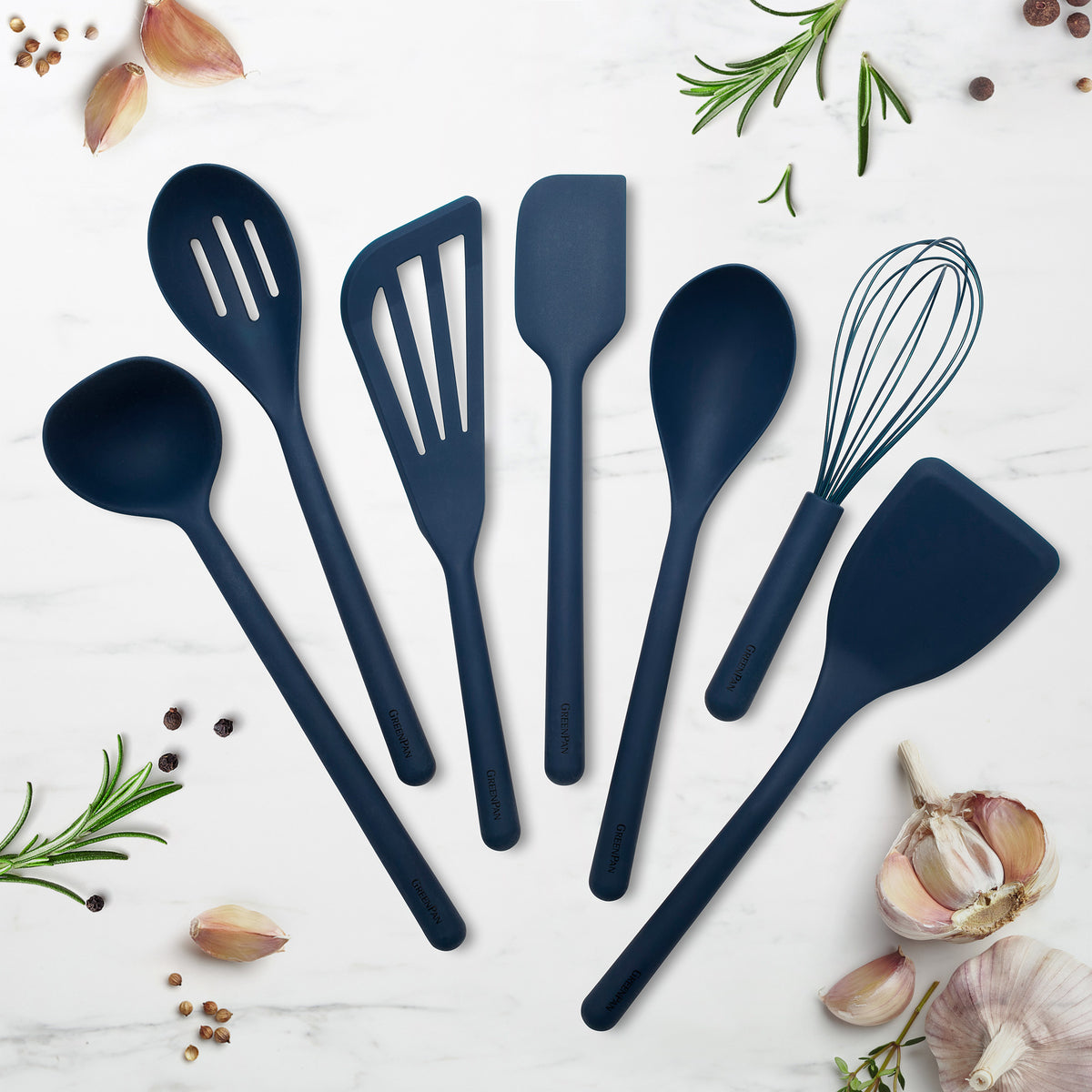
Silicone cooking utensils might be exactly what you need to upgrade your kitchen experience. They are flexible, heat-resistant, and gentle on your cookware, helping you cook with ease and confidence. But are all silicone utensils safe and worth your investment?
You’ll discover what makes silicone cooking utensils a smart choice, how to pick the best ones, and tips to keep them safe and long-lasting. Ready to transform your cooking routine? Let’s dive in!
Credit: www.greenpan.us
Benefits Of Silicone Utensils
Silicone cooking utensils offer many advantages that make them popular in kitchens. Their unique material combines flexibility with strength. These tools resist heat and do not scratch cookware surfaces. Using silicone utensils can improve cooking safety and convenience.
The benefits go beyond durability. Silicone utensils are easy to clean and do not retain odors. They remain flexible even after long use. These qualities make them a practical choice for everyday cooking tasks.
Heat Resistance And Safety
Silicone utensils tolerate high temperatures without melting. They stay safe to use for cooking on stovetops and ovens. This heat resistance reduces risk of burns or damage to cookware. Unlike plastic, silicone does not release harmful chemicals when heated.
Non-stick And Gentle On Cookware
The soft silicone material prevents scratches on non-stick pans. It protects delicate surfaces from damage. Utensils glide smoothly, helping to keep pans clean. This feature extends the life of your cookware.
Easy To Clean And Hygienic
Silicone utensils resist stains and food buildup. They wash clean quickly by hand or in a dishwasher. Their non-porous surface stops bacteria and odors from sticking. This makes them more hygienic than wooden or plastic tools.
Durability And Flexibility
Silicone utensils bend without breaking or cracking. They maintain shape even with frequent use. This durability saves money over time by avoiding replacements. Flexibility also helps in scraping bowls and pans efficiently.
Lightweight And Comfortable To Use
Silicone utensils are light and easy to handle. Their soft texture provides a comfortable grip. Cooking becomes less tiring, especially during long meal preparations. This ease of use suits both beginners and experienced cooks.
Heat Resistance Features
Silicone cooking utensils are popular for their ability to handle high cooking temperatures. Their heat resistance ensures they stay safe and durable during daily kitchen use. These utensils do not melt or warp easily, making them reliable tools for stirring, flipping, and mixing hot foods.
Heat resistance is a key feature that sets silicone utensils apart from plastic or wooden ones. They can tolerate temperatures up to 450°F (232°C) or even higher without damage. This allows safe use with hot pans, boiling water, or oven cooking.
What Makes Silicone Heat Resistant?
Silicone is a synthetic material made of silicon, oxygen, carbon, and hydrogen. Its unique chemical structure forms strong bonds that resist heat and chemicals. This structure prevents the utensil from melting or releasing harmful substances at cooking temperatures.
Platinum-cured silicone is the highest quality. It offers better heat resistance and durability than cheaper versions. This type is less likely to discolor or degrade after repeated use.
Temperature Limits Of Silicone Utensils
Most silicone utensils handle heat up to 450°F (232°C). Some high-grade versions can resist up to 600°F (315°C). Exceeding these limits can cause damage or melting.
Always check the manufacturer’s heat tolerance before use. This ensures safety and longevity of the utensil.
Benefits Of Heat Resistant Silicone Utensils
Heat resistance makes silicone utensils safe for cooking on stovetops and ovens. They will not melt or warp when left in a hot pan. This feature also protects non-stick cookware surfaces from scratches.
The material does not conduct heat, so handles stay cool and comfortable. It also resists stains and odors that might develop at high temperatures.
Safety Standards To Look For
Silicone cooking utensils must meet strict safety standards. These standards protect your health and ensure long-lasting use. Not all silicone products are the same. Some contain fillers or harmful chemicals. Knowing the safety labels helps you choose the best tools.
Food-grade Silicone Certification
Check for “food-grade” or “platinum-cured” on the packaging. These terms mean the silicone is pure and safe for cooking. Platinum-cured silicone has fewer chemicals and stronger heat resistance. This reduces the risk of harmful substances leaching into food.
Lfgb And Fda Approvals
The LFGB certification comes from Germany and ensures high safety standards. FDA approval means the product meets U.S. food safety rules. Both certifications guarantee the silicone is non-toxic and heat resistant. Choose utensils with these certifications for peace of mind.
Heat Resistance And Temperature Limits
Silicone utensils should handle heat up to 400°F or higher. Exceeding temperature limits can cause melting or chemical release. Always check the manufacturer’s heat guidelines. Using utensils within safe temperatures keeps food and tools safe.
Avoiding Fillers And Cheap Materials
Cheap silicone may contain fillers like plastic or other chemicals. Fillers reduce durability and safety. Pure silicone does not change color when stretched or pinched. If it turns white, fillers are present. Avoid utensils that smell strong or look opaque.
Bpa-free Label Explained
BPA-free is common but not a strong safety indicator for silicone. Silicone naturally does not contain BPA. This label mostly markets the product. Focus more on silicone purity and certifications than BPA claims.

Credit: www.amazon.com
Common Risks With Low-quality Silicone
Low-quality silicone cooking utensils carry several hidden risks. These risks affect food safety and the durability of your kitchen tools. Using inferior silicone may lead to chemical contamination and faster wear. Understanding these dangers helps you make safer choices.
Potential Chemical Leaching
Cheap silicone often contains fillers like plastic or oil. These fillers can break down under heat. Harmful chemicals may leach into your food. This risk increases with high cooking temperatures.
Reduced Heat Resistance
Low-quality silicone usually has lower heat tolerance. It may melt or deform at normal cooking temperatures. This damages utensils and risks food contamination. High-quality silicone stays stable even in hot pans.
Unpleasant Odors And Taste
Poor silicone can emit a strong plastic smell. This odor may transfer to your food. It affects taste and meal enjoyment. Safe silicone products are odorless and tasteless.
Shorter Lifespan
Inferior silicone utensils wear out quickly. They crack, peel, or discolor with regular use. This leads to waste and extra spending. Durable, food-grade silicone lasts much longer.
Possible Allergic Reactions
Some low-quality silicone may contain harmful additives. These additives might cause skin irritation or allergies. Using pure silicone reduces this health risk. Choose trusted products with safety certifications.
Tips For Safe Usage
Using silicone cooking utensils is safe when you follow simple tips. These tips help keep your kitchen tools in good shape. They also protect your health and food quality.
Silicone utensils are heat-resistant and non-toxic if made from high-quality materials. Knowing how to use them safely extends their life and keeps your meals safe.
Choose High-quality Silicone Utensils
Always pick utensils labeled “food-grade” or “platinum-cured.” These labels show the silicone is pure and safe. Avoid cheap or smelly silicone, as it may contain harmful fillers. Pure silicone stays flexible and does not change color easily.
Follow Temperature Guidelines
Check the heat limits for your utensils before use. Most silicone tools handle up to 400°F (204°C). Do not use them on direct flames or very high heat. Overheating can damage the silicone and release unwanted chemicals.
Clean Utensils Properly
Wash silicone utensils well before first use. Clean them after every cooking session. Use warm, soapy water or dishwasher-safe methods if allowed. Avoid harsh scrubbers that may scratch the surface.
Avoid Cutting Or Scratching Silicone
Do not cut food directly on silicone utensils. Sharp knives can damage them. Scratches may trap food and bacteria. Use cutting boards to protect your silicone tools and keep them clean.
Store Silicone Utensils Carefully
Store utensils in a dry, cool place away from sharp objects. Keep them flat or hanging to avoid bending. Proper storage helps maintain their shape and durability.
Comparing Cooking Materials
Choosing the right cooking utensil material affects your kitchen experience. Different materials offer unique benefits and drawbacks. Understanding these helps select utensils that suit your needs and protect your cookware.
Metal Utensils
Metal utensils are strong and durable. They handle high heat without melting. They can scratch non-stick pans easily. Metal also transfers heat quickly, which can burn your hands. Not ideal for delicate surfaces.
Wooden Utensils
Wood is gentle on cookware and heat resistant. It won’t scratch pans or melt. Wood can absorb food smells and stains. It may crack or warp if left wet. Requires regular cleaning and care to last.
Plastic Utensils
Plastic utensils are lightweight and affordable. They are gentle on cookware surfaces. Some plastics melt at high heat. Cheaper plastics may release harmful chemicals. Choose heat-safe, BPA-free plastics for safety.
Silicone Utensils
Silicone combines strength and flexibility. It resists heat up to 600°F (315°C). Silicone won’t scratch or damage cookware. It is easy to clean and dishwasher safe. Food-grade silicone is non-toxic and safe for cooking.
Durability And Maintenance
Silicone cooking utensils are popular due to their strong durability and easy maintenance. Their flexible material resists cracking, melting, or breaking during everyday use. These utensils last much longer than many plastic or wooden ones.
Cleaning silicone utensils is simple. They do not absorb stains or odors easily. Proper care helps maintain their look and function for years.
Durability Of Silicone Cooking Utensils
Silicone resists heat up to 450°F (232°C), making it safe for most cooking tasks. It does not warp or melt like plastic. The material withstands bending without losing shape. It also resists cracking, even after long use.
Unlike wood, silicone does not splinter or absorb moisture. This makes it ideal for wet or oily cooking environments. The utensils keep their color and texture over time.
Easy Maintenance Tips
Silicone utensils clean easily with warm soapy water. They can also go in the dishwasher without damage. Avoid abrasive scrubbers that might scratch the surface.
Dry the utensils fully before storing to prevent mildew. Avoid cutting food directly on them to keep their surface smooth. Store them in a cool, dry place to maintain their quality.
Top Brands And Products
Choosing the right silicone cooking utensils can improve your kitchen experience. Trusted brands offer durable, safe, and heat-resistant products. These utensils protect your cookware and make cooking easy. Below are some top brands and their popular products.
Sur La Table Flex-core Silicone Spatula
Sur La Table’s Flex-Core spatula is flexible and strong. It has a soft silicone head that resists heat up to 600°F. The handle is sturdy and comfortable to hold. This spatula works well for scraping bowls and flipping foods. It cleans easily and lasts long.
Greenpan Premiere Deep Sauté Spoon
GreenPan offers a deep sauté spoon made with high-quality silicone. It is perfect for stirring and serving sauces or soups. The spoon resists heat and fits well in your hand. It protects non-stick pans from scratches. This spoon combines function with a sleek design.
Crate & Barrel Silicone Cooking Set
Crate & Barrel sells complete silicone utensil sets for everyday cooking. Their sets include spatulas, spoons, and turners. The silicone used is food-grade and heat-resistant. These utensils come in bright colors and modern shapes. They are dishwasher safe and easy to store.
Home Depot Silicone Utensils
Home Depot carries a variety of silicone utensils at affordable prices. Their products include spatulas, ladles, and basting brushes. The silicone is durable and safe for all cookware types. Many items come with comfortable handles and soft silicone heads. They are a good choice for budget-conscious cooks.
Target Silicone Cooking Tools
Target offers a wide range of silicone cooking tools for everyday use. Their utensils feature ergonomic designs for easy handling. They use BPA-free, food-grade silicone that withstands high heat. Target’s collection includes spatulas, whisks, and spoons in vibrant colors. These tools balance style and practicality well.

Credit: www.starpackproducts.com
Frequently Asked Questions
Is It Safe To Use Silicone Cooking Utensils?
Yes, food-grade, platinum-cured silicone utensils are safe, heat-resistant, and non-toxic. Avoid cheap, low-quality silicone to prevent chemical leaching. Always follow temperature limits and choose reputable brands for safe use.
What Is The Healthiest Material For Cooking Utensils?
The healthiest cooking utensils are made from food-grade silicone, hardwood, bamboo, stainless steel, or cast iron. These materials are non-reactive and free from harmful chemicals. Choose high-quality, certified products to ensure safety and durability in your kitchen.
What Are The Disadvantages Of Silicone Spatulas?
Silicone spatulas can melt under extreme heat and may contain fillers in cheap versions. They may stain or retain odors. Some lack rigidity, making heavy stirring difficult. Avoid cutting on them to prevent damage. Choose high-quality, food-grade silicone for safer use and durability.
Does Silicone Give Off Chemicals When Heated?
High-quality, food-grade silicone does not release harmful chemicals when heated below its temperature limit. Avoid low-quality silicone to prevent chemical leaching.
Are Silicone Cooking Utensils Safe For High-heat Cooking?
Yes, food-grade silicone utensils resist heat up to 400°F–600°F without melting or releasing toxins.
Can Silicone Utensils Scratch Non-stick Cookware?
No, silicone is soft and flexible, so it won’t scratch or damage non-stick pans.
How Do I Clean Silicone Cooking Utensils Properly?
Wash with warm soapy water or place in the dishwasher for easy, thorough cleaning.
Conclusion
Silicone cooking utensils offer many benefits for your kitchen. They resist heat well and clean easily. Choosing high-quality, food-grade silicone ensures safety and durability. Avoid cheap products that may contain harmful fillers. Use utensils gently to prevent damage and extend their life.
These tools protect your cookware from scratches. They come in many shapes and colors to fit your needs. Overall, silicone utensils provide a practical and safe option for cooking every day.