
Are you wondering if your silicone cooking utensils are truly safe to use every day? With so many kitchen tools claiming to be “non-toxic” and “heat resistant,” it’s easy to feel unsure about what’s actually good for you and your family.
You want to cook healthy meals without worrying about harmful chemicals sneaking into your food. The truth is, not all silicone utensils are created equal, and knowing how to spot safe, high-quality products can make all the difference. Keep reading to discover what makes silicone cookware safe, how to choose the best utensils for your kitchen, and simple tests you can do to protect your health while cooking.
Your peace of mind – and your meals – depend on it.
Credit: canzokitchenware.com
Silicone Material Basics
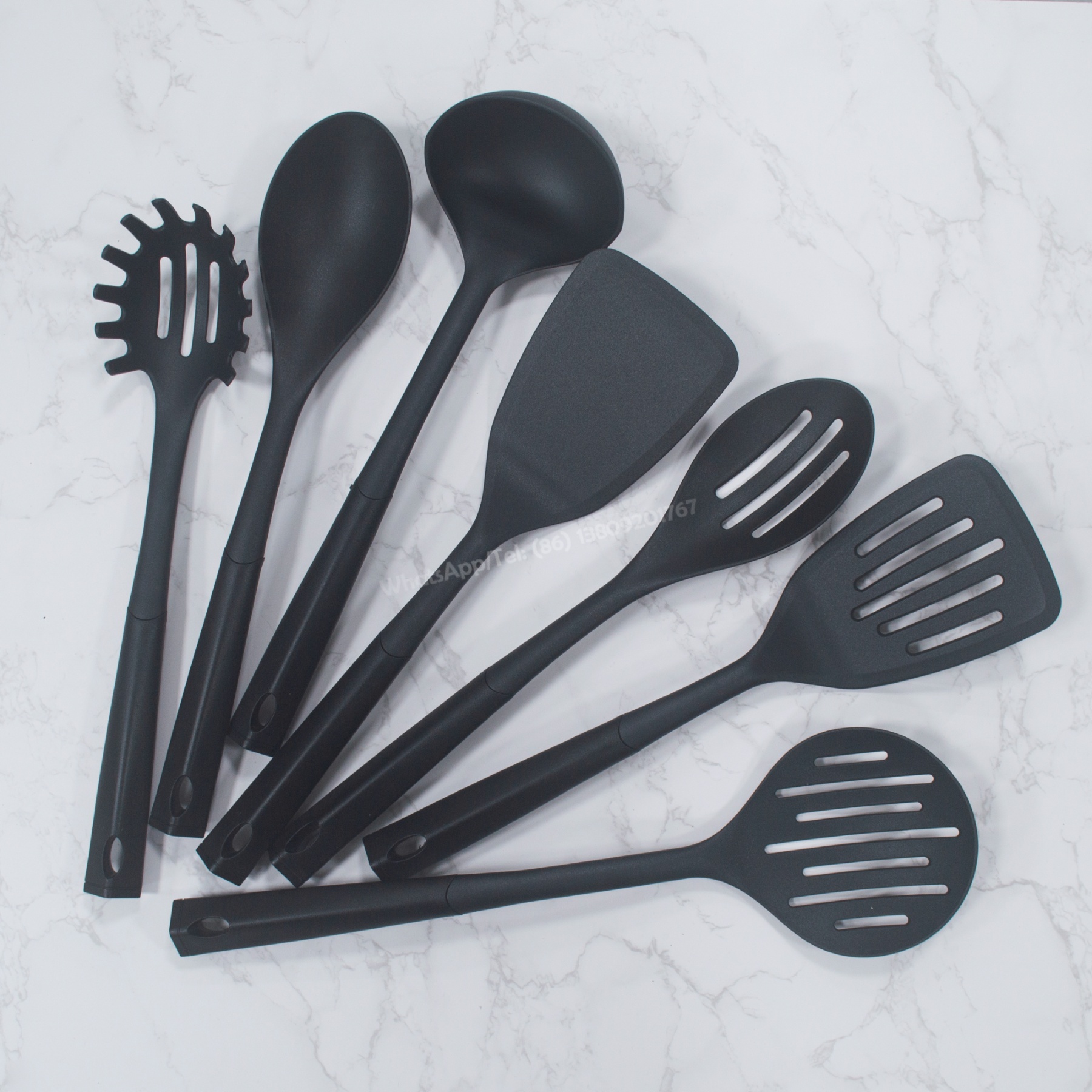
Silicone cooking utensils made from pure, food-grade silicone are safe and non-toxic. They resist heat well and do not release harmful chemicals like BPA or phthalates. Always choose utensils without fillers to ensure they stay stable during cooking.
What Is Silicone?
Silicone is a synthetic material made from silicon, oxygen, carbon, and hydrogen. It looks like rubber but is more durable and flexible. This material is widely used in kitchen tools because it can handle heat well.
Food-grade Silicone
Food-grade silicone is safe for cooking and baking. It does not contain harmful chemicals like BPA or phthalates. This type is pure and does not break down easily at high temperatures.
Heat Resistance
Silicone can withstand heat up to 450°F (232°C) without melting. It stays stable and does not release toxins when heated. This makes it safe to use on stoves and in ovens.
Non-toxic And Safe
High-quality silicone is non-toxic and does not react with food. It is considered safer than some plastic utensils. It also does not absorb odors or stains, keeping your food fresh.
Durability And Flexibility
Silicone utensils are strong and last a long time. They bend without breaking, making cooking easier. Their soft surface protects non-stick pans from scratches.
Food-grade Silicone Traits
Food-grade silicone is a popular material for cooking utensils. It offers safety and durability for daily kitchen use. Understanding its key traits helps you know why it is trusted by many.
Inert And Stable Composition
Food-grade silicone is made from silicon, oxygen, carbon, and hydrogen. This mix creates a stable, non-reactive material. It does not react with food or liquids. This means no harmful chemicals leach into your meals. Its inert nature keeps flavors pure and safe during cooking.
Bpa And Phthalate Absence
Silicone utensils do not contain BPA or phthalates. These chemicals are common in some plastics and can harm health. Food-grade silicone avoids these toxins completely. This makes it a safer option for cooking and baking. You can use it without worry about chemical exposure.
Heat Resistance
Food-grade silicone handles high temperatures well. It can usually tolerate heat up to 450°F (232°C). This heat resistance prevents melting or warping during cooking. It also stays flexible and strong after repeated use. Safe for stovetops, ovens, and microwaves, silicone is reliable under heat.
Chemical Leaching Risks
Chemical leaching is a concern with many kitchen tools, including silicone utensils. These tools contact food directly and face heat daily. Understanding chemical leaching risks helps you make safer choices. Silicone is generally stable but not all products are equal. Some factors increase the chance of chemicals leaking into food. This section explains those risks clearly.
Effects Of High Temperatures
Silicone handles heat well but extreme heat may cause issues. At very high temperatures, some silicone may break down slightly. This breakdown can release small amounts of chemicals. Cooking at lower temperatures reduces this risk. Avoid leaving utensils on hot surfaces or near open flames. High heat for long periods increases the chance of chemical leaching.
Impact Of Fillers
Not all silicone is pure. Some manufacturers add fillers to reduce costs. Fillers can include plastics or other materials. These fillers may not be heat stable. When heated, fillers can release harmful chemicals into food. Pure, food-grade silicone is safer. Check product quality and avoid items with visible fillers or white streaks.
New Product Emissions
New silicone utensils sometimes emit odors or fumes when first used. These emissions may contain small amounts of chemicals. It is best to wash and air out new utensils before use. Heating them once or twice without food can help remove emissions. This simple step lowers chemical risk and improves safety.
Wear And Tear Concerns
Over time, silicone utensils may show signs of damage. Cracks, cuts, or rough spots can develop. These damaged areas can trap bacteria and may increase chemical leaching. Regularly inspect utensils and replace if damaged. Using utensils gently helps extend their life and keeps them safe.
Testing Silicone Purity
Testing silicone purity is important to ensure your cooking utensils are safe. Pure silicone does not contain harmful fillers that can leach chemicals. Simple tests help identify the quality of silicone used. This protects you from toxic substances and low-quality products.
Pinch Test Method
The pinch test is a quick way to check silicone purity. Grab a flat part of the utensil and pinch or twist it. If white streaks appear, the silicone likely contains fillers. Pure silicone stays solid without showing these marks. This test helps you avoid low-grade utensils that may release toxins.
Identifying Fillers
Fillers are added to lower the cost of silicone products. They reduce flexibility and heat resistance. Fillers often show as white marks or powdery spots on the surface. Low-quality utensils may also smell odd or feel rough. Choosing products without fillers means safer use in cooking and baking.
Choosing Safe Silicone Utensils
Choosing safe silicone utensils ensures healthy cooking and lasting use. Not all silicone products are equal. Some may contain harmful fillers or additives. Select utensils that meet strict safety and purity standards.
Knowing what to look for helps avoid risks and keeps your food free from toxins. Focus on certifications and material quality to pick the best silicone tools.
Check For Food-grade Certification
Food-grade silicone is tested to be safe for cooking and food contact. Look for certifications from recognized authorities. These ensure the silicone is free from harmful chemicals like BPA and phthalates. Certified utensils resist heat and do not release toxins. Always choose silicone marked as food-grade or FDA-approved.
Avoid Fillers And Additives
Pure silicone contains no fillers or additives that might harm health. Some manufacturers add cheap fillers to reduce costs. These fillers can break down under heat and release toxins. Use the pinch test to check purity. If the utensil shows white streaks when bent, it likely contains fillers. Select only 100% pure silicone for safe cooking.
Credit: thegoodlifedesigns.com
Comparing Silicone And Nylon
Comparing silicone and nylon kitchen utensils reveals key differences in safety and performance. Both are popular choices but behave differently under heat and chemical exposure. Understanding these differences helps you pick safer tools for cooking.
Heat Stability Differences
Silicone resists heat up to 450°F (232°C) without melting or warping. It stays flexible and durable during high-temperature cooking. Nylon utensils usually withstand heat only up to 400°F (204°C). They can melt or deform if exposed to direct heat or hot pans. Silicone’s higher heat resistance makes it safer for cooking on stoves or ovens.
Chemical Safety Comparison
Silicone is made from inert materials that do not release harmful chemicals. It contains no BPA, phthalates, or other toxins. Nylon, a type of plastic, may release chemicals if overheated. Some low-quality nylon utensils can leach small amounts of toxic substances. Choosing high-quality, food-grade silicone reduces risks of chemical contamination in your food.
Pros And Cons Of Silicone Utensils
Silicone cooking utensils have grown popular in kitchens worldwide. They offer unique benefits but also come with some downsides. Understanding their pros and cons helps in making smart choices for safer cooking.
Durability And Flexibility
Silicone utensils last long without cracking or breaking. They resist heat up to 450°F, perfect for most cooking tasks. Their soft texture prevents scratching on non-stick pans. Silicone bends easily, reaching into pots and bowls with ease. These tools do not absorb stains or odors, keeping them clean and fresh.
Potential Drawbacks
Some low-quality silicone contains fillers that may release toxins when heated. Not all silicone utensils handle very high temperatures well. Over time, exposure to extreme heat can cause them to degrade. They may not be as firm as metal or wooden utensils, making stirring thick mixtures harder. Also, silicone can attract dust and lint, needing regular washing.
:strip_icc()/bhg-silicone-kithcen-tools-GettyImages-1413104337-cc08807ed7294b5486b164213f9816da.jpg)
Credit: www.bhg.com
Maintaining Silicone Utensils
Maintaining silicone utensils helps keep them safe and durable. These tools last longer with simple care. Proper handling and cleaning prevent damage and maintain their quality.
Proper Usage Tips
Use silicone utensils within their heat limits, usually up to 400°F (204°C). Avoid sharp knives or abrasive tools on silicone surfaces. Do not use silicone utensils on open flames or direct heat. Store them away from sharp objects to prevent cuts or tears. Choose utensils made from pure, food-grade silicone for best results.
Cleaning And Care
Wash silicone utensils with warm, soapy water after each use. Use a soft sponge to avoid scratching the surface. Silicone is dishwasher safe, but hand washing extends its life. Remove stains by soaking utensils in a mixture of baking soda and water. Dry them thoroughly before storing to prevent mold or odors.
Frequently Asked Questions
Are Silicone Cooking Utensils Toxic Free?
High-quality, food-grade silicone cooking utensils are generally non-toxic and free from BPA and phthalates. Choose pure silicone without fillers to avoid toxin leaching and ensure safe, heat-resistant use in cooking.
Does Silicone Leach Chemicals When Heated?
Food-grade silicone can leach small amounts of chemicals when heated above recommended temperatures. Choose pure, high-quality silicone to reduce risks. Avoid products with fillers, and follow manufacturer heat guidelines for safe use.
Why Shouldn’t You Cook With Silicone?
Avoid cooking with low-quality silicone as it may leach harmful chemicals at high heat. Use pure, food-grade silicone only.
What Is The Safest Material For Cooking Utensils?
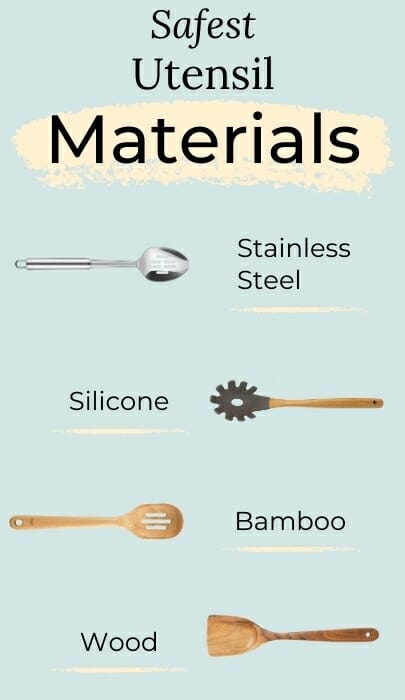
The safest cooking utensils are made from pure, food-grade silicone, stainless steel, or cast iron. These materials resist toxins, withstand heat, and do not leach harmful chemicals during cooking. Choose utensils without fillers or coatings to ensure durability and health safety in your kitchen.
Are Silicone Cooking Utensils Safe For Daily Use?
Yes, food-grade silicone utensils are safe, non-toxic, and heat-resistant for everyday cooking.
Do Silicone Utensils Contain Harmful Chemicals Like Bpa?
High-quality silicone utensils do not contain BPA, phthalates, or other harmful chemicals.
Can Silicone Utensils Withstand High Cooking Temperatures?
Silicone utensils can resist heat up to 400°F (204°C) without melting or releasing toxins.
Conclusion
Silicone cooking utensils made from pure, food-grade silicone are safe. They do not contain harmful chemicals like BPA or phthalates. These utensils resist heat well and do not release toxins during cooking. Check for fillers by doing the pinch test before buying.
Avoid utensils that show white streaks when bent or twisted. Choosing high-quality silicone helps protect your health and food safety. Use these tools confidently for everyday cooking without worry. Simple care will keep them lasting longer. Safe cooking is possible with the right silicone utensils.