
Are you trying to decide whether an air fryer or a microwave is the healthier choice for your kitchen? You might think both appliances simply heat your food, but the truth is, they work very differently-and that difference can affect your health and the quality of your meals.
If you want to enjoy tasty dishes without compromising on nutrition, understanding how each cooking method impacts your food is key. Keep reading to discover which one truly supports a healthier lifestyle and what you need to watch out for when using either appliance.
This insight will help you make smarter choices that benefit your body and your taste buds.
Air Fryer Basics
An air fryer is a popular kitchen tool that cooks food using hot air. It offers a way to prepare crispy dishes with less oil. Many people wonder if it is healthier than other appliances like microwaves.
Understanding how an air fryer works helps to compare it with a microwave. This section explains the basics of air fryers in simple terms.
What Is An Air Fryer?
An air fryer is a small appliance that cooks food by circulating hot air. It uses a heating element and a fan to move air around the food. This method creates a crispy outer layer similar to frying, but with little or no oil.
How Does An Air Fryer Work?
The air fryer heats air to high temperatures inside a compact chamber. A fan blows this hot air quickly around the food. This process cooks the food evenly and gives it a crunchy texture.
Common Uses Of Air Fryers
People use air fryers to cook many foods like fries, chicken, and vegetables. It can also bake, roast, and grill. The appliance is versatile and fits many cooking styles.
Health Aspects Of Air Frying
Air frying uses less oil than deep frying, reducing fat content. This can lower calorie intake and support healthier eating habits. Still, the health impact depends on the food and cooking method.
:max_bytes(150000):strip_icc()/faw-toaster-ovens-air-fryers-test-taotronics-rkilgore-127-efe96fac638843b49fba305016d49235.jpg)
Credit: www.foodandwine.com
Microwave Essentials
Understanding the basics of microwave cooking helps to compare it fairly with air frying. Microwaves heat food quickly using electromagnetic waves. These waves excite water molecules in food, generating heat from inside out. This method saves time and energy.
Microwave ovens come in various types and sizes. Some have additional features like grilling or convection cooking. Knowing these options can affect cooking results and nutrition.
How Microwaves Cook Food
Microwaves penetrate food and cause water molecules to vibrate. This vibration produces heat, cooking the food rapidly. Unlike traditional ovens, microwaves do not heat the air around the food. This leads to faster cooking times.
Nutrient Retention In Microwaving
Microwaving can preserve nutrients well due to short cooking times. Vitamins like C and B are sensitive to heat and water. Using a microwave with minimal water helps keep these nutrients intact.
Common Microwave Safety Tips
Use microwave-safe containers to avoid harmful chemicals. Avoid metal objects as they can cause sparks. Stir food during cooking for even heating and to prevent cold spots.
Limitations Of Microwave Cooking
Microwaves may cook unevenly, especially with dense or thick foods. They do not brown or crisp food like air fryers. Certain foods can become soggy or dry if microwaved too long.
Cooking Methods Compared
Choosing between an air fryer and a microwave means understanding their cooking methods. Each appliance uses a different technique to heat food. These differences affect taste, texture, and nutrition.
Below, we break down how air fryers and microwaves cook food. This helps you see which method may be healthier.
How Air Fryers Cook Food
Air fryers use hot air circulation. A fan blows hot air around the food quickly. This makes the outside crispy, like frying but with less oil. Air fryers usually need a little or no oil to cook.
The fast air flow cooks food evenly and reduces fat. This method can lower calories compared to deep frying. It also helps keep food texture crispy and appealing.
How Microwaves Cook Food
Microwaves use electromagnetic waves. These waves cause water molecules in food to vibrate. The vibration creates heat, cooking food from inside out. Microwaves heat food quickly and without added fat.
This method is great for reheating and cooking simple meals. Microwaves do not create crispy textures. They cook food faster but may leave some parts less hot.
Effect On Nutrients
Both air fryers and microwaves can preserve nutrients well. Microwaves cook quickly, which helps keep vitamins intact. Air fryers cook with hot air but less oil, reducing fat intake.
Some nutrients may break down at high heat. Air fryers use higher temperatures than microwaves. Still, air frying uses less oil, which may benefit heart health.
Impact On Food Texture And Taste
Air fryers give food a crispy outside and tender inside. This mimics deep frying without extra fat. Many people enjoy the crunch from air-fried foods.
Microwaved food tends to be softer and may be soggy. It lacks the crisp texture air fryers create. Microwaves suit steamed or boiled dishes better than fried textures.
Nutrient Retention In Each
Understanding nutrient retention in cooking methods helps choose healthier options. Both air fryers and microwaves use heat differently, affecting vitamins and minerals. Nutrient loss depends on time, temperature, and cooking style.
How Air Fryers Affect Nutrient Retention
Air fryers cook food by circulating hot air rapidly. This method reduces the need for oil. They cook food quickly at high temperatures. Some nutrients, like vitamin C, may reduce due to heat. However, shorter cooking times help preserve other vitamins.
Fat-soluble vitamins like A and E stay mostly intact. Air frying may keep minerals better than deep frying. Yet, crispy texture sometimes means higher heat exposure. This can slightly lower certain sensitive nutrients.
Microwaves And Their Impact On Nutrients
Microwaves heat food by exciting water molecules inside. This process is very fast and uses less heat overall. Short cooking times help keep vitamins like B and C. Microwaving often preserves antioxidants well.
Because microwaves cook food with minimal water, water-soluble vitamins stay protected. Minerals do not break down easily during microwaving. Overcooking in a microwave can still cause nutrient loss. Using low power and short times is best for nutrition.
Comparing Nutrient Retention In Both Methods
Both air fryers and microwaves keep nutrients better than traditional frying. Microwaves usually preserve more water-soluble vitamins. Air fryers may cause slight nutrient loss due to higher heat. Minerals remain stable in both cooking styles.
Choosing the right cooking time and temperature matters most. Avoid overcooking food in either method. Both are good options for healthy meals with nutrient retention.
Health Risks And Benefits
The health risks and benefits of air fryers and microwaves matter for many people. Both appliances cook food quickly but work differently. Understanding their effects on health helps choose the best option.
Air fryers use hot air to cook and crisp food. Microwaves heat food by using electromagnetic waves. Each method changes food in unique ways. These changes affect nutrients, fat content, and safety.
Health Benefits Of Air Fryers
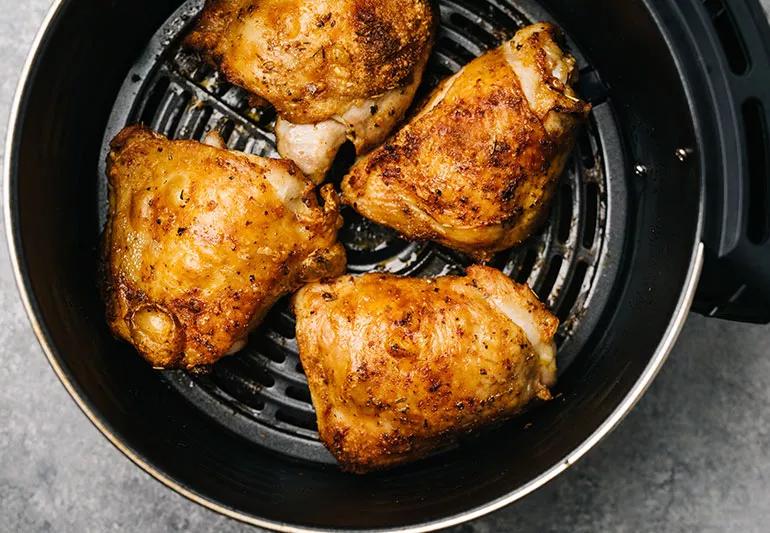
Air fryers use little or no oil. This reduces fat and calories in meals. Fried foods become healthier without deep frying. Air fryers keep nutrients better than deep frying too. They help lower the risk of heart disease and obesity.
Health Risks Of Air Fryers
High heat in air fryers can create acrylamide. Acrylamide is a chemical that may increase cancer risk. It forms mainly in starchy foods like potatoes. Overcooking or burning food raises acrylamide levels. Users must avoid very high temperatures and long cooking times.
Health Benefits Of Microwaves
Microwaves cook food quickly, preserving nutrients well. Short cooking times keep vitamins and minerals intact. Microwaving needs little or no added fat. It reduces the chance of overcooking and nutrient loss. Microwaves also kill bacteria effectively, improving food safety.
Health Risks Of Microwaves
Microwaves may heat food unevenly, causing cold spots. These spots can harbor harmful bacteria if food is not cooked thoroughly. Containers not meant for microwaves can release harmful chemicals into food. Choosing microwave-safe dishes is important for health.
Credit: health.clevelandclinic.org
Taste And Texture Differences
Understanding the taste and texture differences between air fryers and microwaves helps choose the right appliance. Each uses a unique cooking method, which affects food quality. These differences can change how enjoyable a meal feels.
How Air Fryers Affect Taste
Air fryers use hot air circulation to cook food. This method gives food a crispy outer layer. It mimics deep frying but with less oil. Foods often taste richer and more flavorful. The crunchiness appeals to many who like fried textures.
Microwave Cooking And Food Flavor
Microwaves cook food by heating water molecules. This process warms food quickly but does not create crispiness. Foods can become soft or soggy. Sometimes, microwaved food lacks the depth of flavor found in fried or baked items.
Texture Differences Between Air Fryers And Microwaves
Air fryers produce a crunchy texture on the outside while keeping the inside tender. This contrast is similar to traditional frying. Microwaves often make food soft throughout. They do not brown or crisp food, which can change the eating experience.
Convenience And Practicality
Convenience and practicality are key factors in choosing kitchen appliances. Both air fryers and microwaves offer unique benefits that appeal to busy households. Understanding these benefits helps decide which appliance fits daily cooking needs better.
Speed Of Cooking
Microwaves cook food very quickly. They use high-frequency waves to heat food from inside out. This makes them ideal for reheating meals and defrosting frozen items fast. Air fryers take longer as they circulate hot air to crisp food. They are better suited for cooking small batches with a crispy texture.
Ease Of Use
Microwaves are simple to operate. Most models have preset buttons for common tasks. Just press a button, and the food cooks automatically. Air fryers require setting time and temperature manually. Some models have presets, but using them needs more attention. Cleaning a microwave is easier since it usually has a smooth interior.
Size And Counter Space
Microwaves come in various sizes but often fit compactly on counters or shelves. They usually take up less space than air fryers. Air fryers tend to be bulkier with a basket and heating element. They need enough space for air circulation. This can be a challenge in small kitchens.
Versatility In Cooking
Microwaves are great for reheating, defrosting, and simple cooking tasks. They struggle with crisping or browning food. Air fryers excel at making crispy foods like fries or chicken wings. They can bake, roast, and grill in small batches. This variety adds practical value for different meal types.
Energy Efficiency
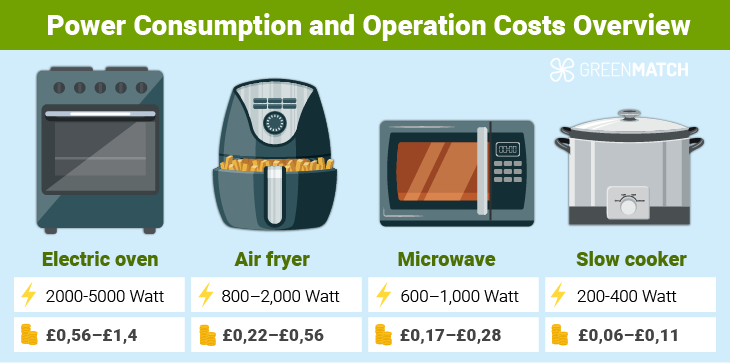
Microwaves use less energy because they cook faster and focus heat on the food. Air fryers use more electricity due to longer cooking times and heating elements. However, air fryers may replace ovens for some tasks, saving energy compared to conventional baking.
Credit: www.greenmatch.co.uk
Cost And Maintenance Factors
Cost and maintenance play a big role in choosing between an air fryer and a microwave. Both appliances require an initial investment and some upkeep. Knowing these factors helps you decide which fits your budget and lifestyle better.
Initial Purchase Price
Microwaves generally cost less than air fryers. Basic microwave ovens are available at low prices. Air fryers tend to be more expensive, especially models with extra features. The cost varies based on size, brand, and functions.
Energy Consumption
Microwaves use less electricity for quick heating tasks. Air fryers consume more power as they cook food by circulating hot air. Longer cooking times in air fryers can increase energy use. This affects your electricity bill over time.
Maintenance And Cleaning
Microwaves require simple cleaning, mostly wiping the interior. Air fryers need more effort due to removable baskets and trays. These parts must be washed after every use. Cleaning air fryer fans and heating elements is also necessary sometimes.
Durability And Repairs
Microwaves tend to have fewer moving parts, which can mean fewer breakdowns. Air fryers have fans and heating elements that may wear out faster. Repair costs for air fryers can be higher than for microwaves. Checking warranty terms is important for both.
Frequently Asked Questions
What Are The Disadvantages Of Air Fryers?
Air fryers have limited capacity and may cook food unevenly. They don’t replicate deep-fried taste perfectly. They can be bulky, noisy, and require frequent cleaning. High heat may produce acrylamide in starchy foods. Some models are costly and take up significant counter space.
Is It Better To Reheat Food In The Microwave Or Air Fryer?
Reheating food in an air fryer yields crispier results and better texture. Microwaves heat faster but may cause sogginess. Choose air fryer for crunch, microwave for speed.
What Is Unhealthy About An Air Fryer?
Air fryers may produce acrylamide, a harmful compound, when cooking starchy foods at high heat. They can cause uneven cooking and dry out food. Their small capacity requires batch cooking. Some models are bulky, noisy, and hard to clean. Air-fried food differs in taste and texture from deep-fried versions.
Why Are People Ditching Air Fryers?
People ditch air fryers due to limited capacity, uneven cooking, bulky size, difficult cleaning, and less authentic fried taste. Some worry about acrylamide formation and appliance noise.
Is Air Frying Healthier Than Microwaving Food?
Air frying uses less oil, reducing fat. Microwaving keeps nutrients but may not reduce fat.
Does Air Frying Preserve More Nutrients Than Microwaving?
Microwaving retains most nutrients due to short cooking times. Air frying may cause slight nutrient loss.
Can Air Fryers Produce Harmful Chemicals In Food?
High heat in air fryers can create acrylamide, a harmful chemical, especially in starchy foods.
Conclusion
Choosing between an air fryer and a microwave depends on your cooking needs. Air fryers offer crispier textures but cook in smaller batches. Microwaves heat food quickly and evenly but don’t brown or crisp. Both methods have health pros and cons to consider.
Using either wisely can support a balanced diet. Think about what matters most: speed, texture, or meal size. Try both to see which fits your lifestyle best.