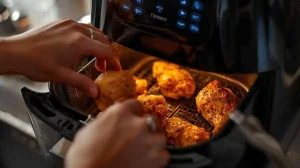
Cooking the perfect piece of meat can feel like a challenge, especially when you want to avoid undercooking or overcooking. That’s where a meat thermometer becomes your best kitchen tool.
But how do you read a meat thermometer correctly? If you’ve ever found yourself confused by the numbers or unsure where to insert the probe, you’re not alone. Understanding how to properly use and read your meat thermometer ensures your meals are safe, juicy, and cooked just right every time.
Keep reading, and you’ll learn simple, clear steps that will boost your confidence and improve your cooking results instantly.
Credit: business.walmart.com
Types Of Meat Thermometers
Meat thermometers come in several types. Each suits different cooking needs. Knowing these types helps you choose the right tool for perfect results.
Oven-proof Meat Thermometers
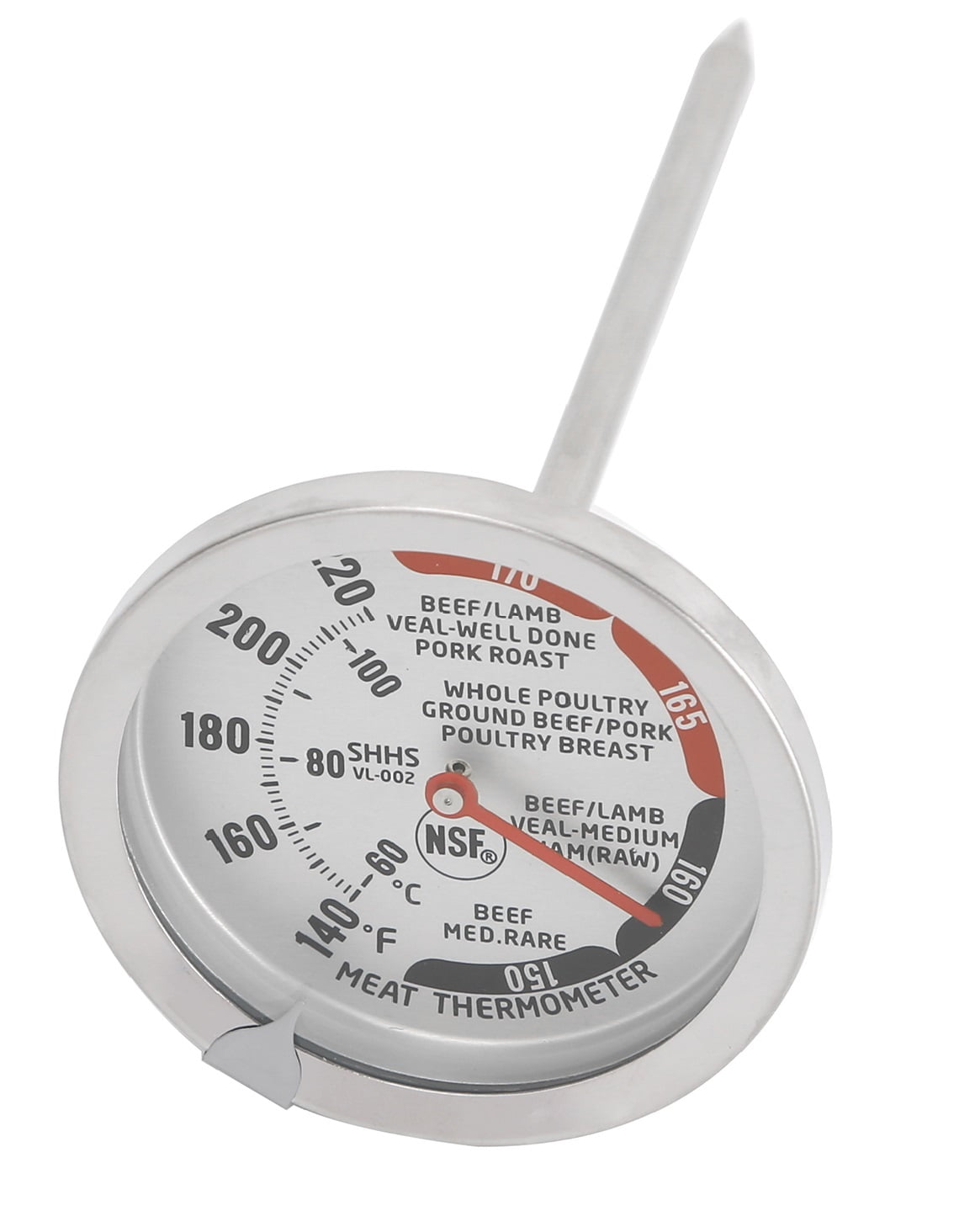
Oven-proof thermometers stay inside the meat during cooking. They are often analog and can handle high heat. These thermometers show temperature changes slowly. They work well for roasts and large cuts.
Instant-read Meat Thermometers
Instant-read thermometers give quick temperature readings. Usually, they are not left in meat during cooking. Insert them at the end to check doneness. They are perfect for steaks, burgers, and thin cuts.
Probe Meat Thermometers
Probe thermometers connect to a digital display outside the oven. The probe stays in the meat while you watch the temperature remotely. They allow monitoring without opening the oven door. Ideal for long cooks and large roasts.
Wireless Meat Thermometers
Wireless models send temperature data to your phone or tablet. They offer freedom to move around without checking the oven. These thermometers often include alarms for target temperatures. Good for tech-savvy cooks and busy kitchens.
 Credit: www.frysfood.com
Choosing The Right Thermometer
Choosing the right meat thermometer ensures safe and tasty meals. A good thermometer gives accurate temperature readings. This guides you to cook meat perfectly every time.
Many types of meat thermometers exist. Each type fits different cooking styles and needs. Picking one that suits your cooking habits helps a lot.
Oven-proof Thermometers
Oven-proof thermometers stay in the meat during cooking. They work well for large roasts and whole chickens. These thermometers can handle oven heat safely. They often have an analog dial for easy reading.
Instant-read Thermometers
Instant-read thermometers give fast temperature results. They are best for steaks, burgers, or thin cuts. Usually digital, they show temperature within seconds. You check meat after cooking, not during.
Probe Thermometers With Alarms
Probe thermometers connect to a base outside the oven. They monitor the temperature and beep when the meat is done. This type works well for slow cooking and smoking. It lets you avoid opening the oven often.
Wireless And Bluetooth Thermometers
Wireless thermometers send temperature data to your phone. You can watch the cooking progress from anywhere nearby. These models suit tech lovers and busy cooks. They help prevent overcooking without checking the oven.
Correct Insertion Techniques
Correct insertion techniques are essential for accurate meat thermometer readings. The thermometer must reach the right spot inside the meat. Placing the probe incorrectly can give false temperature results. This can lead to undercooked or overcooked food.
Knowing how to insert the thermometer properly helps ensure food safety. It also improves the taste and texture of your meat. Follow simple steps to insert the thermometer correctly every time.
Insert The Probe Into The Thickest Part
Always push the probe into the thickest section of the meat. This part takes the longest to cook. Avoid thin edges because they heat up faster. The thickest area gives the most accurate temperature reading.
Avoid Bone, Fat, And Gristle
Do not let the probe touch bones, fat, or gristle. These parts heat differently from meat. Bone can give a higher temperature reading. Fat and gristle may cause a lower or uneven reading. Aim for pure muscle meat only.
Insert From The Side For Roasts
For large roasts, slide the probe in from the side. This helps reach the center easily. Insert the thermometer horizontally, not from the top. It allows the tip to rest in the middle of the meat.
Insert Sideways For Thin Items
For thin items like burgers or thin steaks, insert the probe sideways. Push it through the middle of the meat. This method ensures the tip stays in the thickest part. It prevents the probe from poking out the other side.
Ensure The Sensor Is Fully Embedded
Make sure the thermometer’s sensor tip is completely inside the meat. The sensor is usually the last 1-2 inches of the probe. If it sticks out, the reading will be inaccurate. Check twice before reading the temperature.
Reading Analog Thermometers
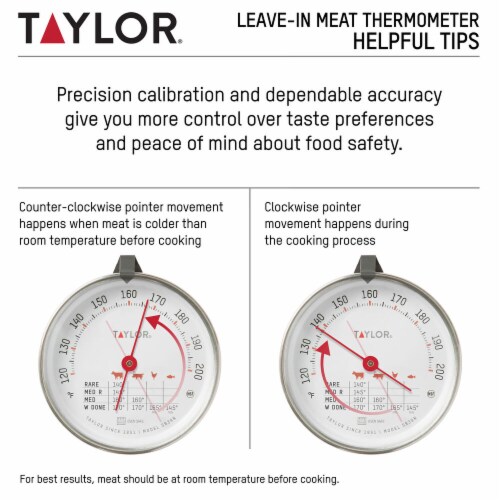
Analog meat thermometers show temperature with a dial and needle. They do not need batteries. The needle moves to point at the current temperature. Reading them is simple once you know how.
These thermometers are good for slow-cooked meats. They often stay in the meat during cooking. This allows you to check the temperature without opening the oven.
Understanding The Dial
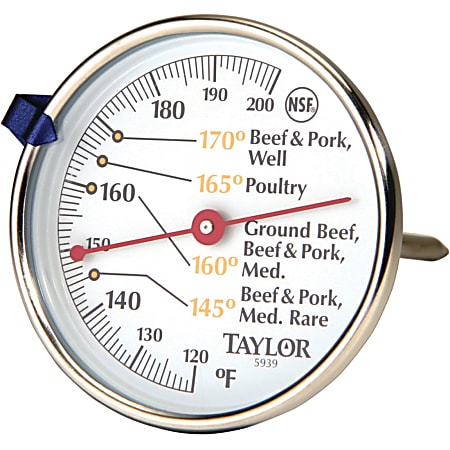
The dial shows numbers in degrees Fahrenheit or Celsius. The needle points to the current temperature. The numbers usually increase in small steps. Look carefully to read the exact number.
Some dials have color zones. Green means safe cooking temperature. Red means the meat needs more time. Use these zones as a quick guide.
Placing The Thermometer Correctly
Insert the probe into the thickest part of the meat. Avoid bones or fat as they give false readings. For roasts, insert from the side to reach the center. For thinner cuts, insert sideways.
Waiting For The Needle To Settle
Hold the thermometer steady for a few seconds. The needle moves until it shows the true temperature. A steady needle means the reading is accurate. Do not remove too soon, or the reading may be wrong.
Cleaning And Storing Your Analog Thermometer
Clean the probe with hot soapy water after each use. This prevents bacteria and keeps the thermometer working well. Store it in a safe place to avoid damage. Proper care helps your thermometer last a long time.
Using Digital Thermometers
Digital meat thermometers make checking meat temperature fast and simple. They provide clear, easy-to-read numbers on a screen. These thermometers help cook meat safely and perfectly every time.
How To Turn On And Calibrate A Digital Thermometer
First, press the power button to turn on the thermometer. Some models need calibration for accuracy. To calibrate, place the probe in ice water and adjust until the display reads 32°F (0°C). This step ensures precise readings.
Where And How To Insert The Probe
Insert the probe into the thickest part of the meat. Avoid touching bone, fat, or gristle because they give false readings. For larger cuts, insert from the side, aiming for the center. For thin cuts, insert from the side to get a good reading.
Reading The Temperature On The Digital Display
Wait a few seconds for the temperature number to stop changing. The display shows the meat’s internal temperature in Fahrenheit or Celsius. Make sure the thermometer reads the right temperature for the type of meat you cook.
Cleaning And Storing Your Digital Thermometer
After use, clean the probe with warm soapy water. Avoid submerging the whole thermometer in water. Dry the probe well and store the thermometer in a safe place. Proper care keeps it working well for a long time.
Credit: www.odpbusiness.com
Ensuring Accurate Temperature Readings
Getting an accurate temperature reading is key to perfectly cooked meat. A wrong reading can lead to undercooked or overcooked results. Understanding how to ensure accuracy helps you cook safely and enjoy your meal.
Choose The Right Thermometer
Select a thermometer that fits your cooking style. Oven-safe thermometers stay in the meat during cooking. Instant-read thermometers give quick results after cooking. Both types must be reliable for the best results.
Insert The Probe Correctly
Insert the probe into the thickest part of the meat. Avoid touching bones, fat, or gristle because they give false readings. For roasts, insert from the side. For thin cuts, insert sideways.
Wait For The Reading To Stabilize
Digital thermometers need a few seconds for the number to stop changing. Analog thermometers may take longer. Do not remove the thermometer too soon, or the reading will be inaccurate.
Check Multiple Spots For Large Cuts
For big roasts or whole poultry, check the temperature in several places. This ensures even cooking and safety. If temperatures vary, cook longer and recheck until consistent.
Keep The Sensor Fully Inside
Make sure the thermometer’s sensor tip is fully embedded in the meat. If the sensor is exposed, the reading will not reflect the true internal temperature. Proper placement is crucial.
Cleaning And Maintenance Tips
Keeping your meat thermometer clean and well-maintained ensures accurate readings every time. Dirt or food residue can affect its performance and shorten its lifespan. Follow simple steps to clean and care for your thermometer properly.
Cleaning After Each Use
Remove the probe from the meat carefully. Wash the probe with warm, soapy water. Avoid submerging the entire thermometer unless it is waterproof. Use a soft cloth or sponge to clean the probe. Rinse it thoroughly to remove soap residue. Dry the probe with a clean towel before storing.
Sanitizing For Safety
Sanitize the probe to kill bacteria after each use. Use a food-safe sanitizer or rubbing alcohol on a cloth. Wipe the probe thoroughly, especially the tip. Let it air dry before storing. This step prevents cross-contamination between different meats.
Proper Storage Tips
Store your thermometer in a dry place. Avoid leaving it in hot or humid areas. Use a protective case if available. Keep it away from heavy objects that could damage the probe or display. Proper storage extends the life of your thermometer.
Regular Calibration Checks
Check your thermometer’s accuracy regularly. Use the ice water test: place the probe in crushed ice and water. It should read 32°F (0°C). Adjust or recalibrate according to the manufacturer’s instructions if needed. Accurate readings help you cook meat safely and perfectly.
Temperature Guidelines For Different Meats
Using a meat thermometer correctly means knowing the right temperature for each type of meat. Different meats need different cooking temperatures to be safe and tasty. The thermometer tells you when the meat reaches that perfect heat.
Cooking meat to the right temperature kills harmful bacteria. It also keeps the meat juicy and flavorful. Below are temperature guidelines for common meats to help you read your thermometer better.
Beef And Lamb Temperature Guidelines
For beef and lamb, the temperature depends on how you like it cooked. Rare meat is safe at 125°F, medium rare at 135°F, and medium at 145°F. Well-done beef and lamb should reach 160°F. Use the thermometer in the thickest part, avoiding bones.
Pork Temperature Guidelines
Pork needs to reach 145°F for safe eating. Let it rest for three minutes after cooking. This rest time helps juices settle and improves taste. For ground pork, cook it to 160°F since it cooks faster and needs more heat.
Chicken And Turkey Temperature Guidelines
Chicken and turkey must reach 165°F to be safe. Check the thickest part of the breast or thigh. The thermometer reading tells you if the bird is fully cooked and safe to eat. Rest the bird for a few minutes before carving.
Fish Temperature Guidelines
Fish cooks quickly and should reach 145°F. Check the thickest part for an accurate reading. Proper temperature keeps fish moist and flaky. Overcooking makes fish dry and tough.
Frequently Asked Questions
How Do I Read My Meat Thermometer?
Insert the probe into the meat’s thickest part, avoiding bone or fat. Wait for a steady digital reading or note the liquid level on analog scales. Check the temperature unit (°F or °C) and read the number to ensure proper doneness.
How Do I Read My Thermometer?
Hold the thermometer at eye level. Identify the scale (°F or °C). Read the top of the liquid or digital number. For digital types, wait for a stable reading or beep. This shows the exact temperature.
How Do You Know When Meat Is Cooked With A Thermometer?
Insert the thermometer probe into the thickest meat part, avoiding bone. Wait until the temperature stabilizes. Compare the reading to safe cooking temperatures to confirm doneness.
How High Does A Meat Thermometer Read?
A meat thermometer typically reads temperatures up to 220°F (104°C) or higher. Digital models often display exact readings instantly. Insert the probe into the thickest meat part, avoiding bone or fat, for accurate results. Read the stable number on the digital screen or the liquid level on analog thermometers.
What Is The Purpose Of A Meat Thermometer?
A meat thermometer measures the internal temperature of meat to ensure it is safely cooked.
How Do I Insert A Meat Thermometer Correctly?
Insert the probe into the thickest part, avoiding bones, fat, or gristle for accurate reading.
What Types Of Meat Thermometers Are Available?
Common types include oven-proof (stay in meat during cooking) and instant-read (quick readings after cooking).
Conclusion
Reading a meat thermometer is simple once you know the steps. Always insert the probe into the thickest part of the meat. Avoid touching bone or fat, as this can give wrong readings. Wait for the number to stop changing before you check the temperature.
Different meats need different temperatures to be safe and tasty. Using a thermometer helps you cook meat perfectly every time. It keeps your food safe and juicy. Practice a few times, and soon it will feel natural. Cooking with confidence starts with knowing your meat’s temperature.
Read more articles:
Best Leave-In Meat Thermometer: Ultimate Guide for Perfect Cooking
How to Use Meat Thermometer Correctly: My Pivot